






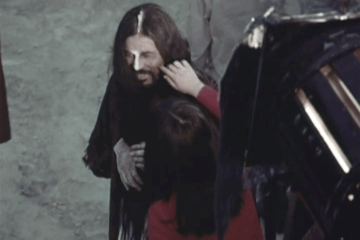
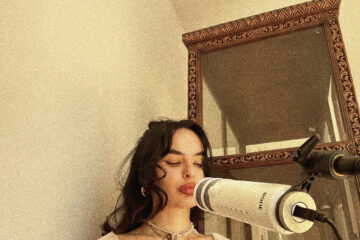
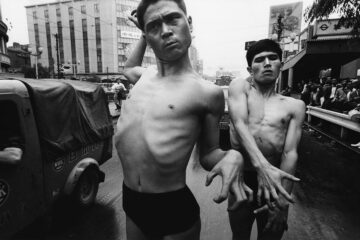
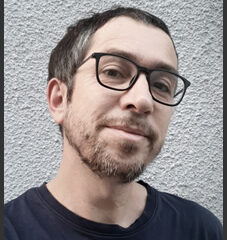

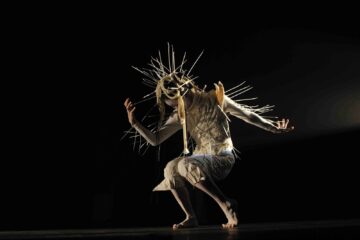

In this episode of FEM POEM, Romina Achatz speaks with author Stephen Barber about his haunting and hallucinatory book “Zoo- Hotel Delirium”, a descent into the borderlands between life and death, written in the aftermath of a near-fatal sepsis. The book will be published next year in May 2026 by Infinity land press, London.The conversation begins with the body: with sepsis as both biological catastrophe and metaphysical rupture. Stephen Barber describes the moment when the body becomes inhabited by death — when tissue turns necrotic, when consciousness begins to fracture, and yet the mind persists in dreaming. Together, they explore how this “death zone” became a geography of its own — a space where the author’s feverish visions unfolded: a brutalist tower in the northern forests, a cursed city, the volcanic mountains of Japan, and a Butoh dancer from Saranda, Albania entering death’s stream.
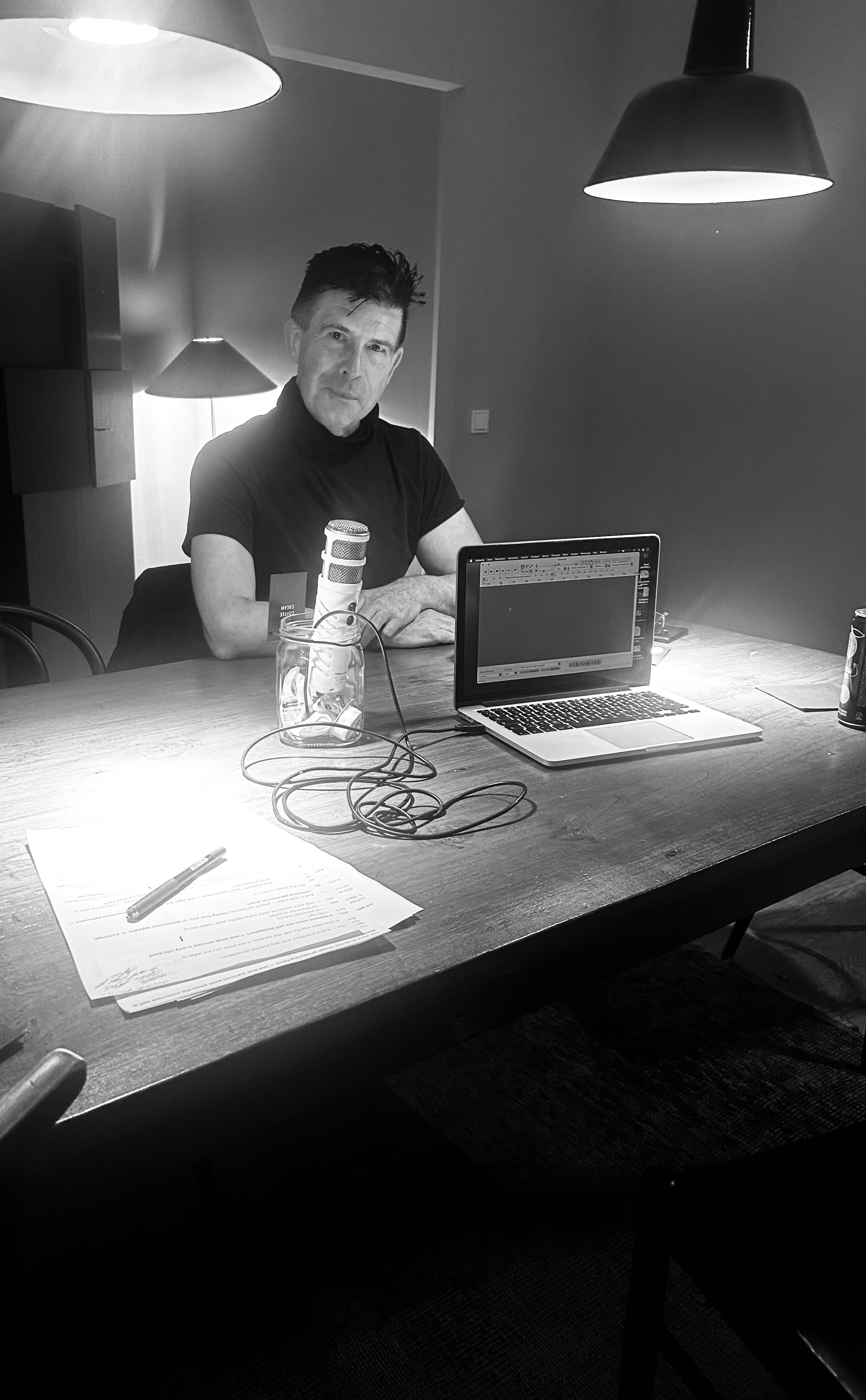
Romina Achatz and Stephen Barber move between medicine, dance, philosophy, and art — tracing how the capacity to dream intensely after sepsis can open another kind of perception, where hallucination becomes revelation. Remarkably, both Romina Achatz and Stephen Barber survived sepsis at the same time in their lives- and therefore founded “The Sepsis dreamers club”. Now, they share not only an experience of physical vulnerability at a moment in life but a heightened sense of dreaming, a sharpened sensitivity to presence, and a deeper resilience than before.
Their dialogue touches on Deleuze’s notion that the artist must descend to Hades and return bearing something of that underworld — as well as on the contemporary machinery of death, the politics of dying, and the persistence of life even inside collapse.
What unfolds is less an interview than a shared passage — an intimate mapping of the line where death begins, and happiness, creativity, and art continue.



Liebe,Romina!
Das ist Natürlich fantastische Äther ! Ich wünsche lese diese Buch. And this is a real mental- improve channel. Thank you so much 🙏
Liebe Grüße,
Vitalii