





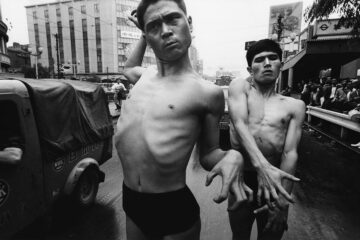
In this episode, Romina Achatz speaks with writer Stephen Barber, author of Films Ghost: Tatsumi Hijikata and the Transmutation of 1960s Japan, about seminal and forgotten figures who shaped the Japanese avant-garde of the 1960s. The conversation focuses especially on filmmakers and the remarkable collaborations between Butoh dancers, photographers, writers, philosophers, and choreographers surrounding Tatsumi Hijikata and Kazuo Ohno.
Drawing on his personal encounters, Stephen Barber reflects on meeting many of these extraordinary artists while they were still alive. All of them have since passed away, making his memories a rare first-hand testimony to a generation that profoundly transformed postwar Japanese culture.
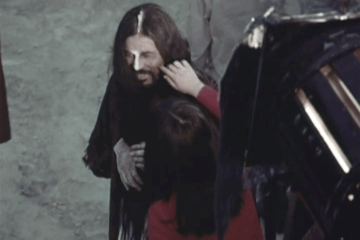
The episode explores figures including Akiko Motofuji, Hironobu Oikawa, Eikoh Hosoe, Donald Richie, Takahiko Iimura, and Nobuo Ikemiya, as well as key works such as Rose-Coloured Dance, Anma the Masseur, Hiroshi Nakamura’s Super 8 film Revolt of the Body, Donald Richie’s Sacrifice and War Games, and Eikoh Hosoe’s Navel and A-Bombs. The conversation also revisits the Osaka Expo film Birth, filmed on the volcanic landscape of Mount Io in Hokkaido.
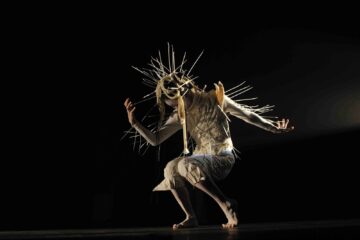
The episode concludes with a conversation about the importance of archives in preserving the history of Butoh, as Stephen Barber asks Romina Achatz about her own experience visiting the extraordinary private archive and dance studio of the famous choreographer Takao Ikemiya, the son of Nobuo Ikemiya, who worked with Hijikata and Kazuo Ohno during their recent research in Japan.