





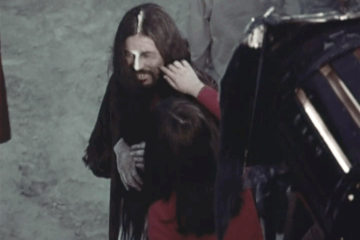

In this episode of Fem Poem, hosted by Romina Achatz, Hanako Takayama, Assistant Professor at Meiji University in Tokyo, reads two essays exploring the notion of the Faux Pas in relation to Japanese Butoh dancer and choreographer Kō Murobushi (1947–2015).
Alongside his work as a dancer and choreographer, Kō Murobushi also wrote extensively about dance, intertwining his reflections with philosophical thought. His writings form an important part of his artistic work and offer another perspective on his approach to dance.
Born in Hokkaido, Takayama’s research focuses on the history of voice and song, ideologies of sound, and questions of culture and representation. Her intellectual work engages with the writings of Maurice Blanchot, and she has translated several texts, including Blanchot’s Chronicles of Intellectual Life, 1941–1944.
Drawing on Gilles Deleuze and philosophical approaches to dance, Takayama’s two readings examine the Faux Pas in connection with Kō Murobushi and his approach to dance.
In the final part of the programme, Romina Achatz reads an excerpt from a chapter of her doctoral dissertation, The Thoughts of the Outside within the Work of Kō Murobushi (2018). The excerpt focuses on Kō Murobushi’s dance performance Faux Pas, presented in Vienna, examining the work from both a sociological and a philosophical perspective, with particular reference to Gilles Deleuze.


