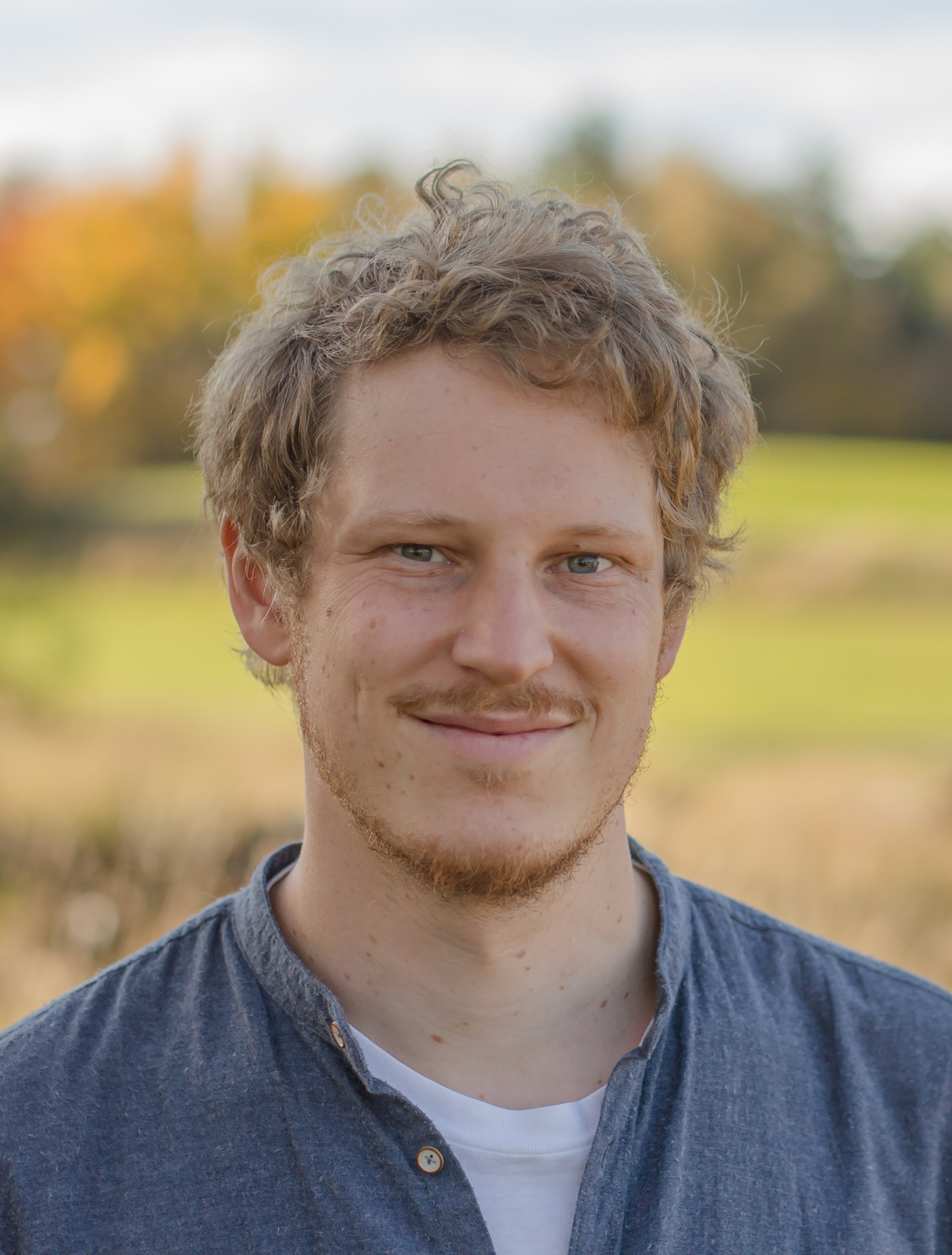








Interview mit Matthew Aylett, Chief Scientific Officer und Mitgründer von CereProc, einer Technologiefirma aus Edinburgh (Schottland), die hochmoderne Lösungen für Sprachtechnologie entwickelt. CereProc ist Partnerfirma des Projekts Grassroosradio und die sysnthetischen Stimmen der Firma sind eine wichtige Komponente für den Betrieb der Community Radiosender des Projekts.
Interview with Matthew Aylett, Chief Scientific Offiver and Co-founder of CereProc, an Edinburgh-based technology company that creates advanced text-to-speech solutions. Dr Aylett, who holds a PhD in Speech and Language Technology from the University of Edinburgh, is recognised by both industry and academia as a world leader in speech technology research and development. His work at CereProc focuses on combining a passion for innovative and disruptive technology while creating individual, engaging and emotional voices that change how we interact with and experience technology. The EU Grassroot Wavelengths project aims to bring cutting edge technology and modern design to facilitate and support community radio. The speech synthesis element of this project does not aim to replace presenters voices with synthetic voices, but rather offer support so that extra content can easily be created and shared to support the limited time volunteers have to keep a radio station going. The importance of such community based media projects has been highlighted with the recent COVID 19 pandemic where local knowledge and a sense of community has shown to be critical in responding to these challenging events. How to apply speech synthesis in a radio context, what sort of accents to use, what content to generate and the effect of speech quality are some of the key questions this project will explore.